Services

Research-led engineering for batteries, grids and industrial energy.

AKL connects experimental data, system modelling, control algorithms and real deployment scenarios — from concept design and simulation through to testing and pre-deployment assessment.

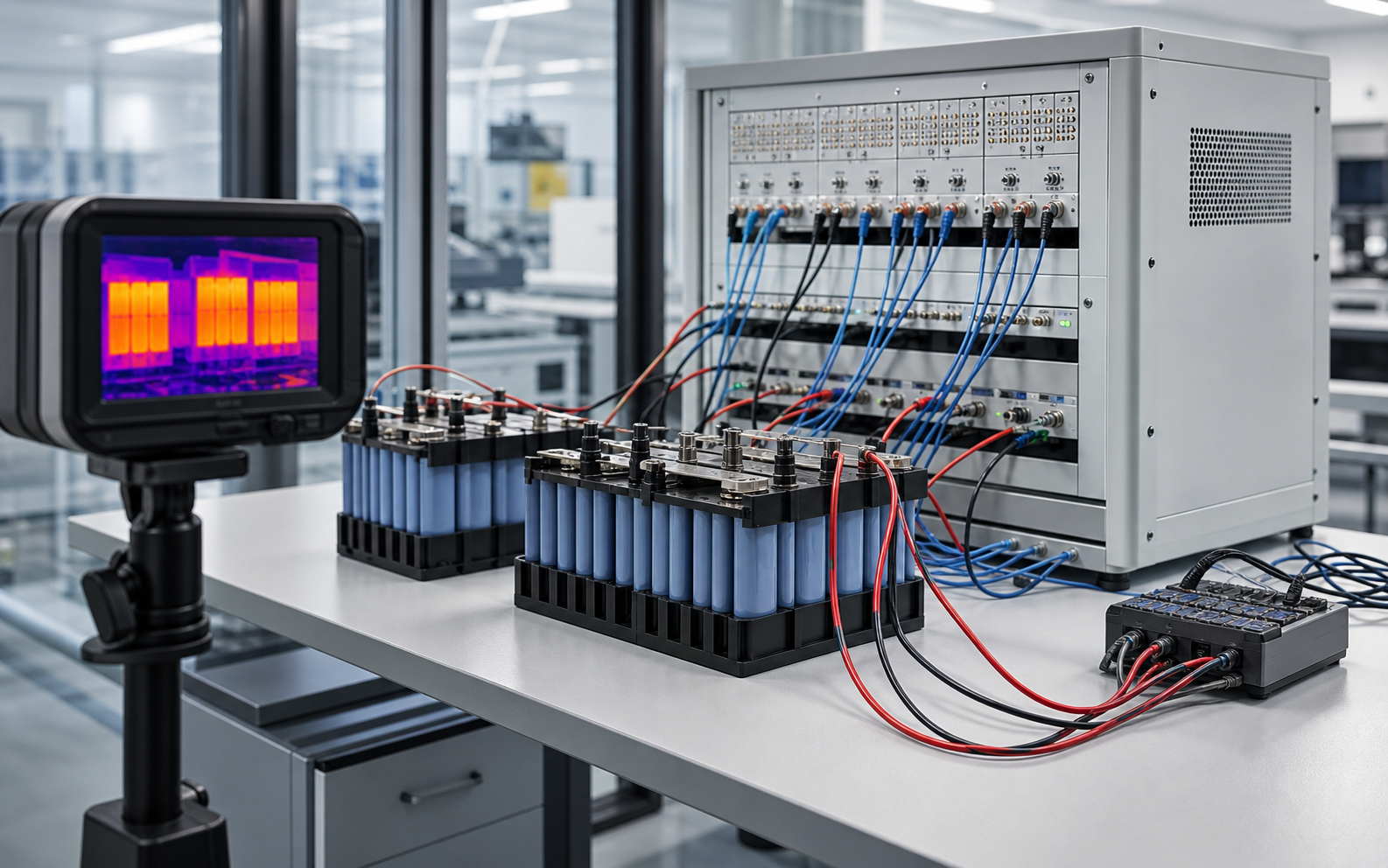
Battery testing equipment with cells, measurement cables and thermal monitoring
01 — Battery Testing & Characterisation

Controlled testing for cells, modules and packs.

Testing and characterisation for lithium-ion and sodium-ion cells, modules and packs, producing the data behind BMS strategies, life prediction and safety analysis.

Capabilities

  • Charge/discharge cycling, capacity checks, pulse-power and dynamic drive-cycle testing
  • Long-term ageing studies and degradation trend analysis
  • Repeatable testing under controlled current, voltage and temperature
  • Climate-chamber evaluation of performance, safety and thermal response
  • Electrochemical impedance, thermal imaging and multi-channel data acquisition

Where it's used

  • Battery product or sample performance validation
  • Data collection ahead of BMS algorithm development
  • SOC, SOH, capacity and degradation model validation
  • Experimental evaluation of new battery or storage concepts

Smart grid laboratory with simulation screens and power electronics racks
02 — Battery Intelligence & Diagnostics

State estimation and fault detection you can trust.

Sensor fusion, experimental data and machine learning combine to deliver state estimation, health diagnostics and early fault detection for battery systems.

Capabilities

  • SOC, SOH, capacity, thermal state and degradation estimation
  • Fibre-optic (FBG) sensing for internal temperature and strain monitoring
  • Correlating internal impedance, thermal response and mechanical strain
  • AI-assisted fault diagnosis, anomaly detection and safety warning
  • Calibration and validation of digital battery models against test data

Where it's used

  • Storage system safety monitoring
  • Vehicle battery health assessment
  • Battery management system algorithm validation
  • Diagnostic model development for rare or complex fault scenarios
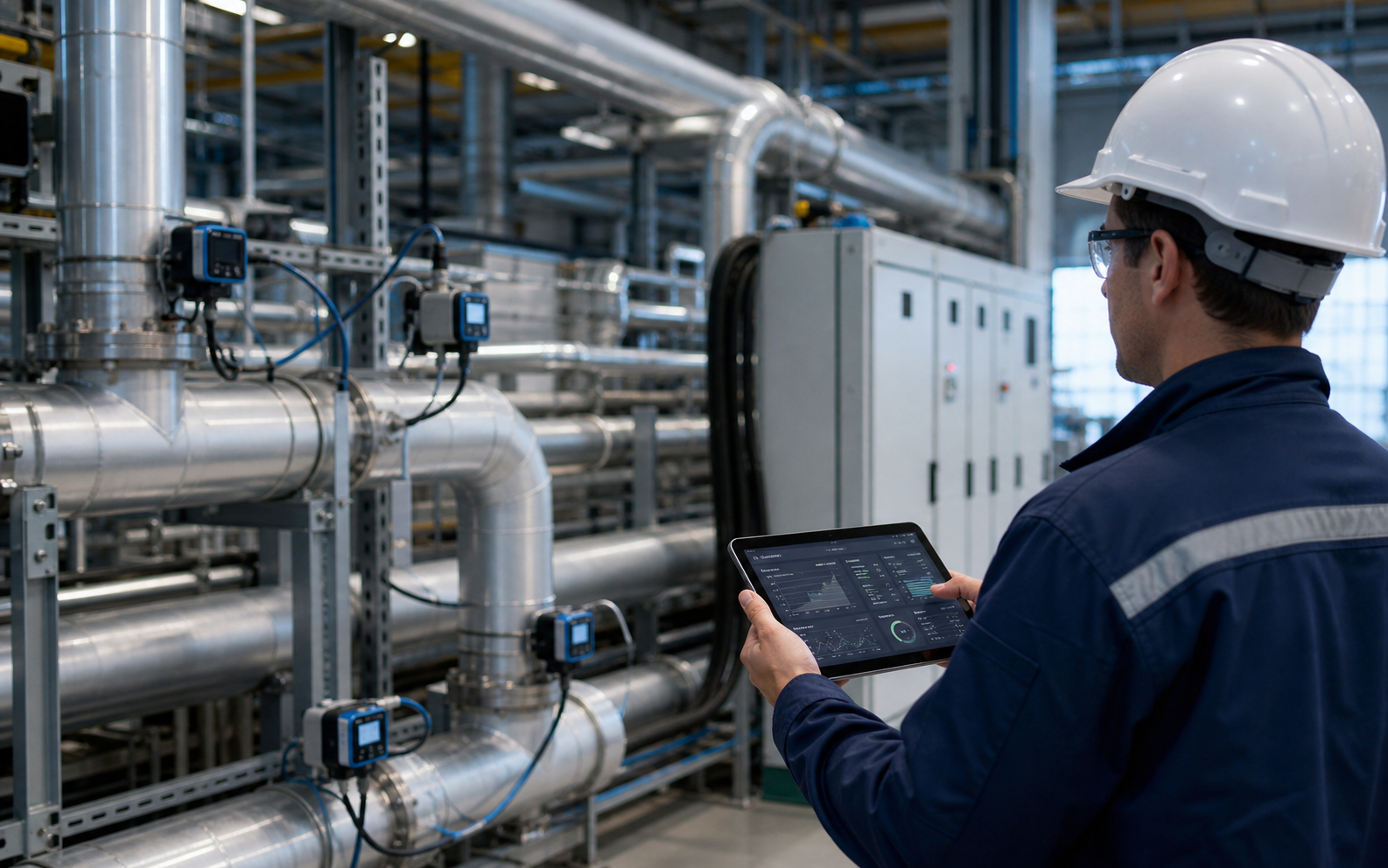
Industrial energy optimisation with sensors, pipework and engineering dashboard
03 — Smart Grid & Microgrid System Design

System design for microgrids and energy hubs.

Modelling, planning, scheduling and control-strategy design for smart grids, microgrids, integrated energy systems and transport energy hubs.

Capabilities

  • Microgrid and multi-energy system modelling across electricity, heat, gas, hydrogen, storage and demand response
  • Coordinated planning of distributed energy, renewables and storage
  • Energy-hub design, including rail and road transport coupled with the grid
  • Multi-agent, multi-constraint scheduling optimisation and flexibility assessment
  • Control-strategy validation through simulation and hardware-in-the-loop testing

Where it's used

  • Microgrid design for campuses, communities and transport hubs
  • Storage and renewables integration planning
  • Grid congestion relief and flexibility-service assessment
  • Energy-hub planning for rail, fleets and charging stations
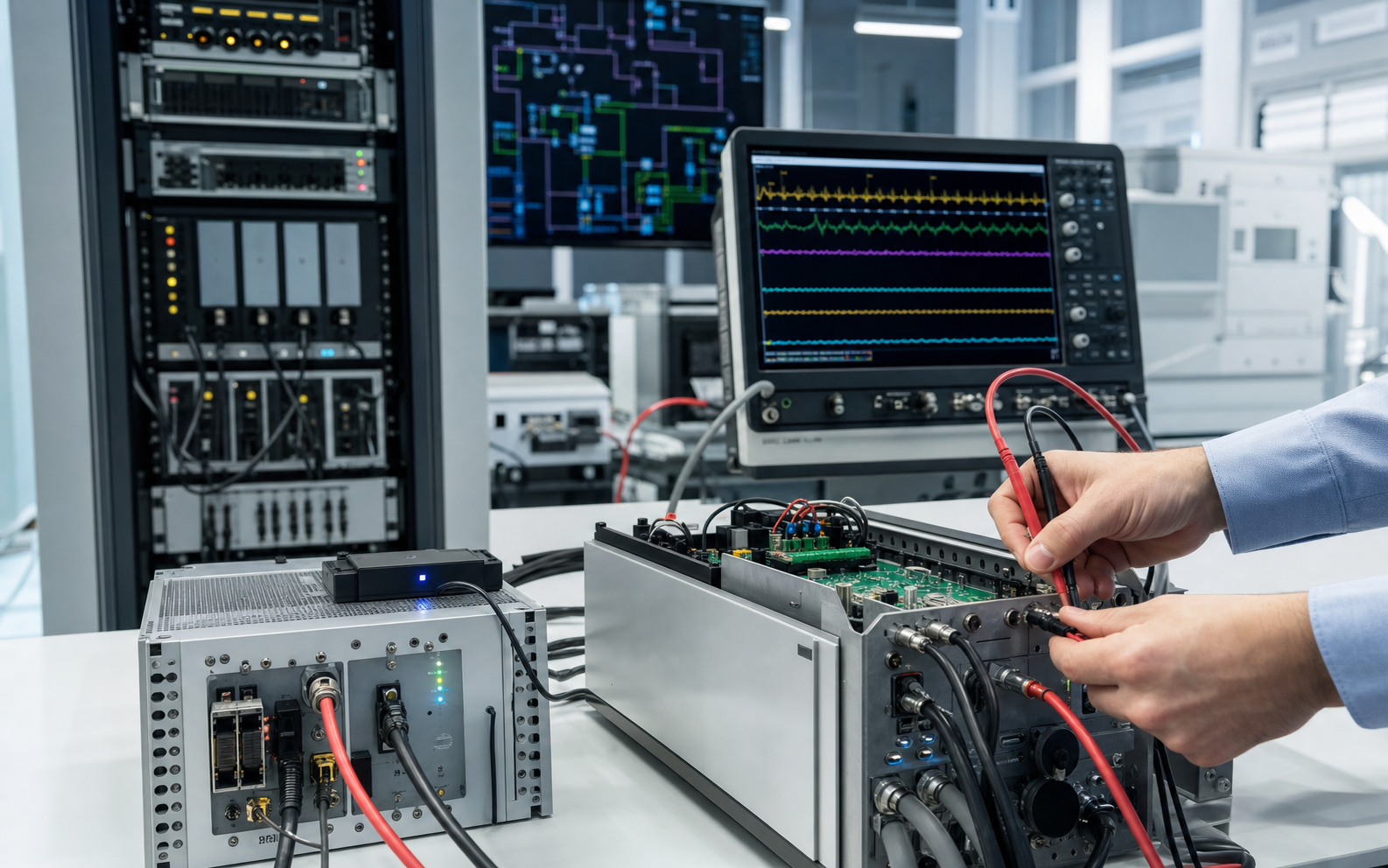
Hardware-in-the-loop control validation bench with simulator hardware and oscilloscope
04 — Hardware-in-the-Loop Control Validation

Prove control strategies before they meet a live grid.

Laboratory-based testing of power systems, microgrids, storage, renewables and power-electronic control schemes, reducing technical risk before real-world deployment.

Capabilities

  • Real-time simulation, hardware-in-the-loop and controller-in-the-loop testing
  • Simulated PV and wind generation with grid-connection control testing
  • Combined experiments with battery storage, power-electronic interfaces and controllable loads
  • Microgrid energy management, optimal scheduling and fault-response studies
  • Control validation under measurement noise, communication delay, faults and dynamic loading

Where it's used

  • Pre-deployment validation of smart-grid controllers
  • Renewable grid-connection strategy testing
  • Microgrid and storage control algorithm debugging
  • Risk assessment ahead of real-system implementation
Industrial energy optimisation with sensors, pipework and engineering dashboard
05 — Industrial Energy Optimisation

Whole-site energy and carbon optimisation.

Energy data analysis, system modelling, process optimisation and decarbonisation assessment for manufacturing, agriculture, buildings and integrated energy sites.

Capabilities

  • Analysis of on-site energy flows, heat recovery and efficiency potential
  • Data acquisition, performance analysis, technology assessment and operational optimisation
  • Multi-energy load forecasting across renewables, building and integrated-energy demand
  • Power-carbon coordinated response and carbon-aware operation
  • Physics- and AI-based process control and decision support

Where it's used

  • Energy and carbon reduction assessment for manufacturing
  • Site or plant energy-system optimisation
  • Heat-recovery and multi-energy co-design
  • Energy forecasting and operation for buildings, agriculture and industry